

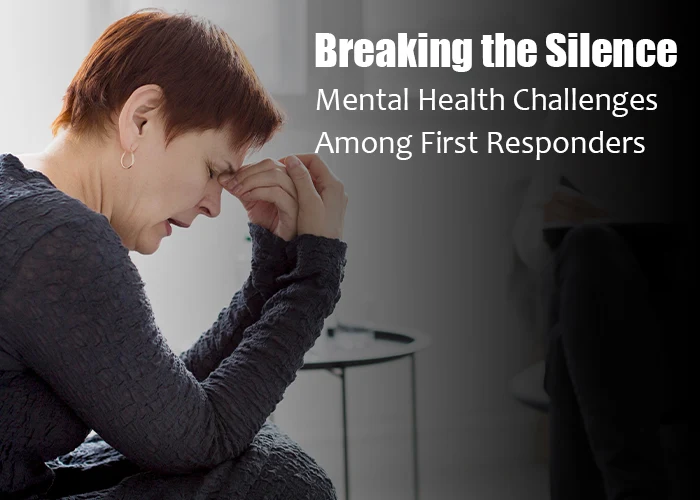
We see police officers as pillars of strength. They run toward danger when others run away. They are the calm presence in the middle of chaos. We expect them to be unshakable. But what is the cost of this bravery? Officers are human. They see and experience the worst of society, day after day. This constant stress takes a heavy toll. It creates a silent, growing crisis in mental health in law enforcement.
The job of a police officer is unlike any other. The uniform itself carries a heavy weight. While many jobs are stressful, the stress in policing is unique. It involves high stakes, split-second decisions, and the constant threat of danger. This pressure is immense. It is time to talk openly about the challenges officers face. Ignoring the problem does not make it go away. It only makes it worse.
Why is mental health a big problem for police?
Police officers face unique dangers. They deal with conflict, violence, and human tragedy almost every day. This is not a normal work environment. This constant exposure to trauma builds up over time. It is not just one single bad event. It is the steady drip of hundreds of small, difficult, and painful calls. This is often called cumulative trauma.
Officers must also live in a state of high alert. This is known as hyper-vigilance. They are trained to scan for threats, to be wary, to never let their guard down. This mindset is vital for survival on the street. But how do you turn it off? That constant “fight or flight” mode does not just stop when the shift ends. This takes a toll on the mind and body. It can damage mental health in law enforcement.
The pressure does not just come from the streets. Officers also face intense public scrutiny. Every action can be recorded and judged. They deal with a complex legal system. This combination of operational stress and organizational stress creates a perfect storm. It wears down even the most resilient person.
What stops officers from asking for help?
So, if the problem is clear, why is it so hard to talk about? It comes down to one powerful word: stigma. In policing, strength is everything. The entire culture is built on being tough, in control, and dependable. Officers are the ones who fix problems. They are not supposed to have problems.
Admitting you are struggling feels like a failure. It feels weak. Officers worry about what their partners will think. Will they still trust me in a dangerous situation? They worry about what their supervisors will think. Will my boss take me off the street? Will I lose my gun, or even my job? These fears are real.
This fear is powerful. It creates a “blue wall of silence” that extends to personal struggles. It forces officers to suffer alone. They bury the trauma and pretend everything is fine. This silence is dangerous. It is the single biggest barrier to improving mental health in law enforcement. We must find ways to break it.
What are the consequences of ignoring this?
When help is not sought, the pressure builds. It has to go somewhere. This can lead to serious problems for the officer. Rates of depression, anxiety, and Post-Traumatic Stress Disorder (PTSD) are much higher in police than in the general public. These are not signs of weakness. They are injuries caused by the job.
The struggle does not stay at work. It spills over into their personal lives. It can lead to trouble at home, broken relationships, and social isolation. An officer who is always on edge cannot easily transition to being a relaxed parent or spouse. The job begins to consume their whole identity. This is a lonely road.
It also affects their job performance. An officer who is burned out and struggling is more likely to be cynical. They might become emotionally detached. This can impact how they interact with the public. The crisis of mental health in law enforcement is not just a personal issue. It affects the safety and well-being of the entire community.
How can police departments improve mental health?
Change must start from the top. Agency leaders must break the stigma. They need to state clearly that mental health is as important as physical health. They must show that seeking help is a sign of strength, not weakness. This message needs to be repeated over and over.
Departments must create programs that are truly confidential. Officers must trust the system. They need to know they can ask for help without risking their career. This means providing access to mental health professionals who understand police culture. These services should be easy to access, not hidden behind layers of paperwork.
Peer support teams are a very effective step. Having a fellow officer to talk to, someone who gets it, makes a huge difference. These peers are not therapists. They are a bridge. They can listen, share their own experiences, and guide their colleagues toward professional help. Supporting mental health in law enforcement must be a clear priority, not just an afterthought.
What new strategies are working?
Some agencies are trying new things. They are embedding mental health professionals directly within the department. This makes the therapist a familiar face, not a stranger. It normalizes the process of seeking help. It shows that the department is truly invested.
Routine mental health check-ins are also being used. Think about it. Officers must qualify with their firearm every year. They must pass physical fitness tests. Why not also have a routine check-up for their mental well-being? This makes it a normal part of the job, not a punishment. Proactive care is always better than reactive care.
Training is also changing. New officers can be taught resilience skills before they face trauma. They can learn about stress, what it does to the brain, and healthy ways to cope. These proactive steps are vital for the future of mental health in law enforcement. For more information on this, organizations like the National Alliance on Mental Illness (NAMI) offer valuable resources and data on a path forward.
Is it okay to not be okay?
We ask police officers to be unbreakable. That is an impossible standard. They are human beings doing one of the most difficult jobs on earth. They see the things we are protected from. They carry that burden for us. They deserve our support, not our judgment.
A C-suite executive who sees a therapist to manage stress is called smart. An officer who does the same should be seen the same way. Acknowledging the crisis in mental health in law enforcement is not a sign of weakness. It is the first step toward a stronger, healthier, and more effective police force. The silence has been broken. Now, the real work must begin.